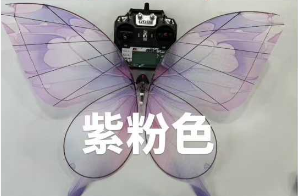
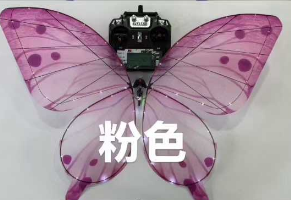
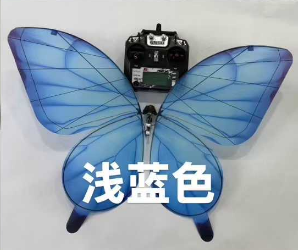
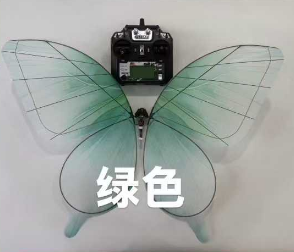
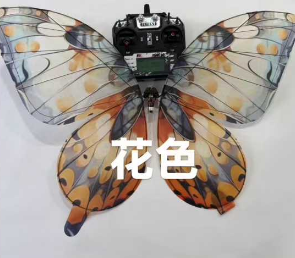
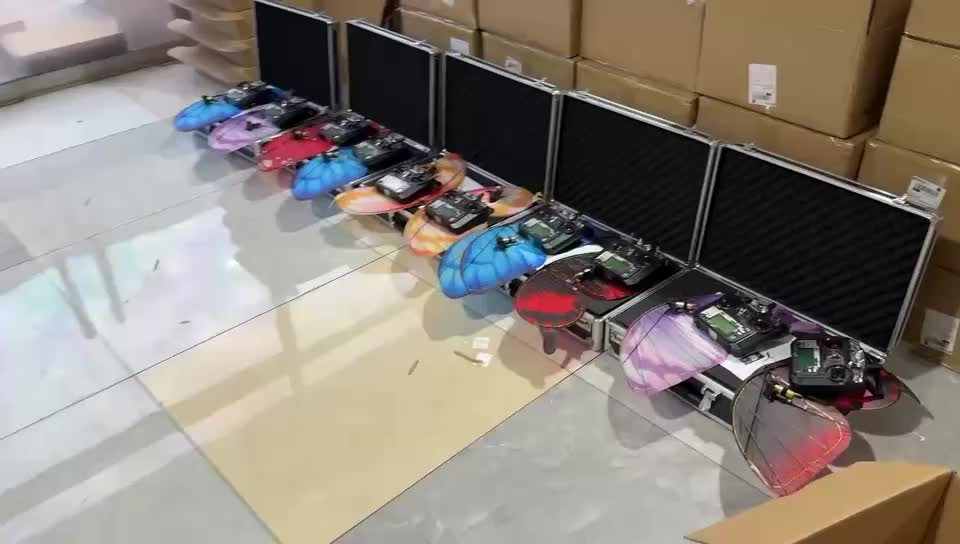
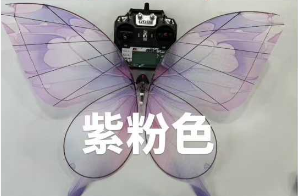
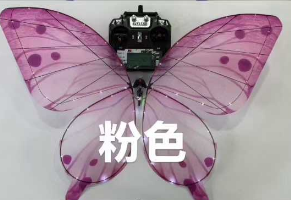
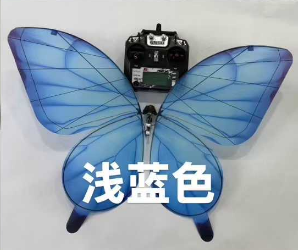
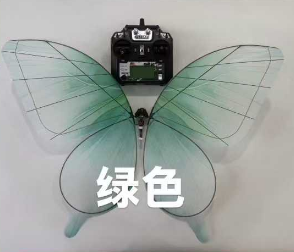
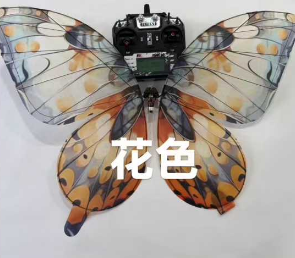
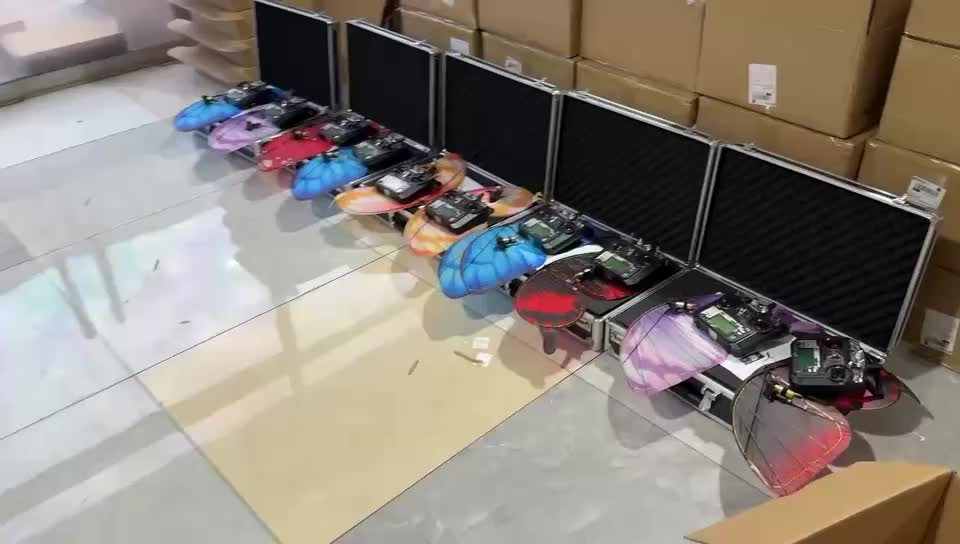
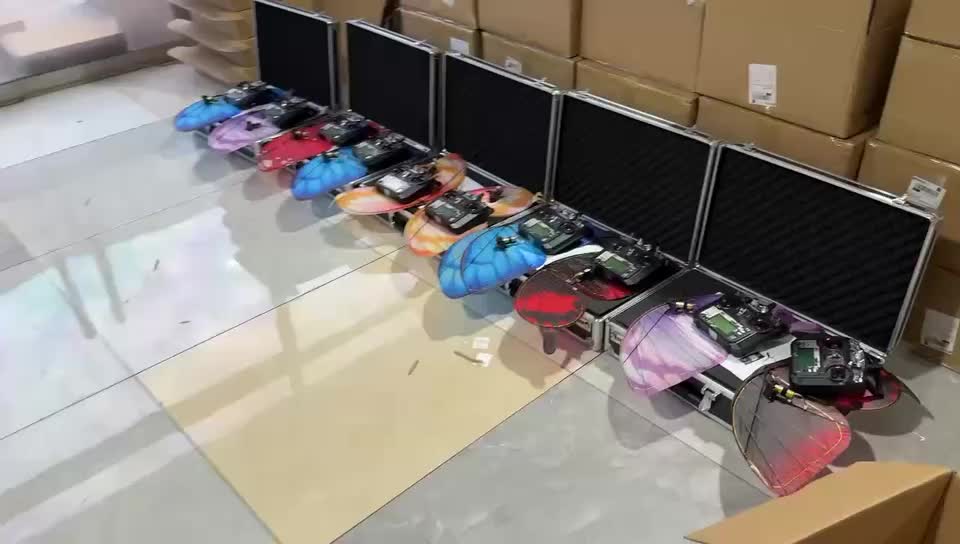
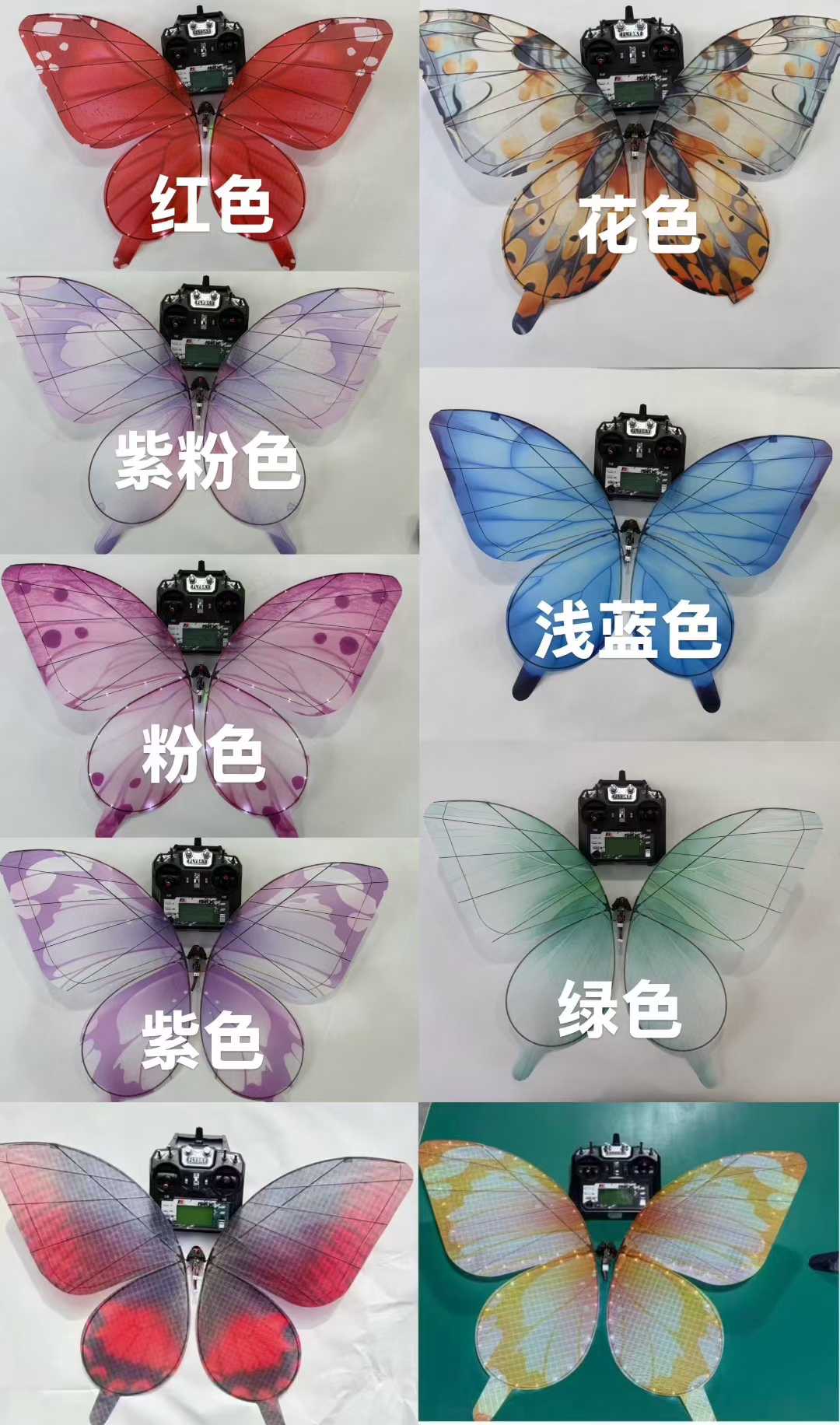
Flying Butterfly

500.00
700.00

Precautions:

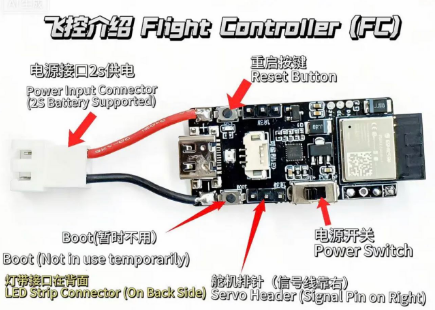
- Before flying the bionic butterfly, charge the battery first!!!  
  Lithium batteries cannot be shipped fully charged – dangerous! The remaining charge is only enough for test flight.
- The USB balance charger can only be connected to 5V. Do not use a high-voltage charging head, as it may easily puncture and burn the balance charger.
- During flight, pay attention to battery discharge time or continuous flight time (5–6 minutes). The battery needs to be recharged or replaced; otherwise, it may be over‑discharged and damaged. You can use the included battery buzzer (low voltage alarm) to check the voltage. When the voltage of a single cell is below 3.6V (or total voltage below 7.2V), recharge the battery.
- **Note:** Do not plug the wires incorrectly – easy to damage.
- (Before landing or collision, reduce the throttle to minimize damage. Do not continue flapping after landing, otherwise the wings are prone to breakage.)

**Related note:**  
If continuous flight (over 6 minutes) is required in summer, cooling is recommended. In winter, low temperatures can be ignored. After returning to normal temperature, flight can resume.

---

**Operation Check Method**  
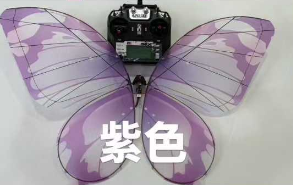
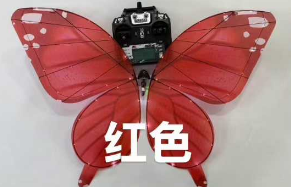
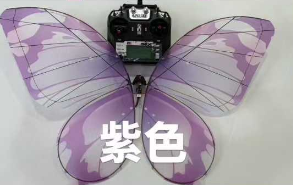
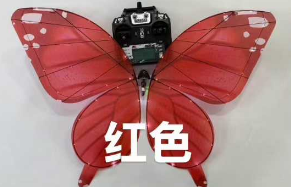
(Wing installation – see illustration below)

**Step 1:** Power on both the butterfly and the transmitter. (Before powering on, keep the transmitter throttle at the lowest point and all sticks fully upward; otherwise, an alarm will sound.)

**Step 2:** After 2 seconds of self‑check, the wings will assume a downward‑flapping posture. Slightly push the throttle to 2% to unlock the flight vehicle. At this point, the wings are in a horizontal position (or slightly upward – dihedral angle).

**Step 3:** Find an indoor or outdoor space with no wind. (The flight vehicle is very light and sensitive to wind.)

---

**Takeoff Methods**

**Method 1 – Toss launch:**  
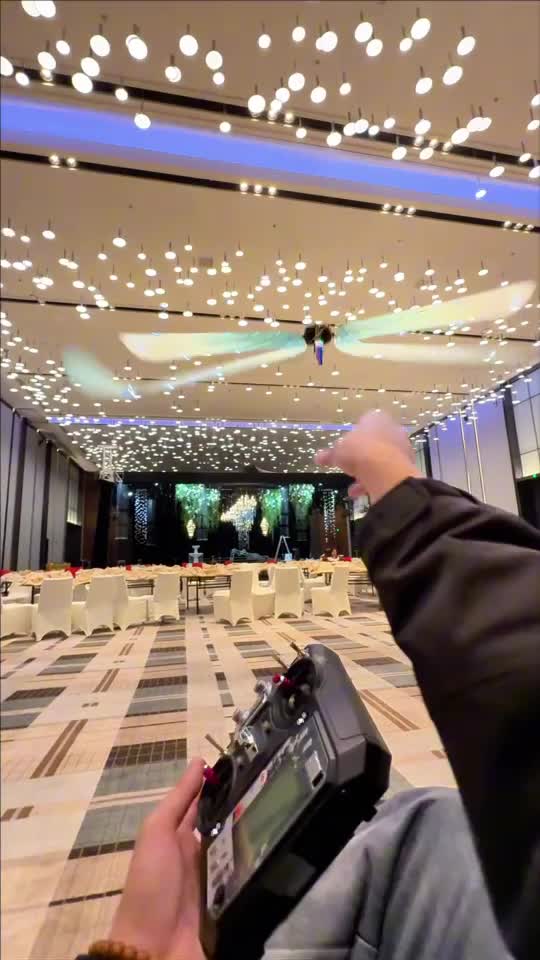
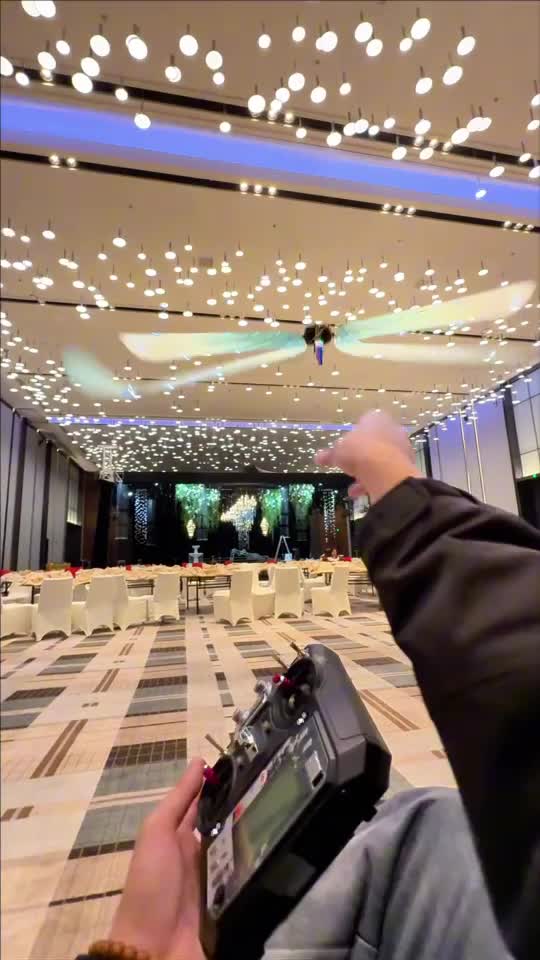
Hold the butterfly upright and throw it vertically upward into the sky. Immediately after releasing it, push the throttle to maximum. (This requires pushing the throttle to 85% or higher right after release. Good left‑right hand coordination is required; otherwise, there is a risk of falling and high collision probability.)  
The vehicle will automatically self‑right. Then, after 2‑3 seconds, set the throttle to around 85% for normal flight.

**Method 2 – Hand launch:**  
Hold the butterfly, apply full throttle, and release it vertically upward. (Hold the body of the vehicle; try not to let your fingers interfere with the wing movement.)

---

**Flight Control Method**

In an indoor wind‑free environment, with throttle at about 85%, the altitude remains relatively stable and the vehicle maintains level flight – then you can perform normal left/right turns.  
(The minimum turning radius is generally about 3‑4 meters / diameter 7‑8 meters.)  
During a turn, you can pull the stick appropriately – this will make turning easier.

**Note:** Before landing or collision, reduce the throttle to minimize damage as much as possible.

---

**Tail Note**  
Because the butterfly design was modified based on real butterfly wings, the original butterfly tail has been retained. The tail does not provide flight lift and will generate some flight drag. If needed, you can cut it off with scissors.

--- 


        SPECIAL OFFER

          Please select all product options

          Product was out of stock

          share
          Description

          **Design Philosophy of the Flight Vehicle:**

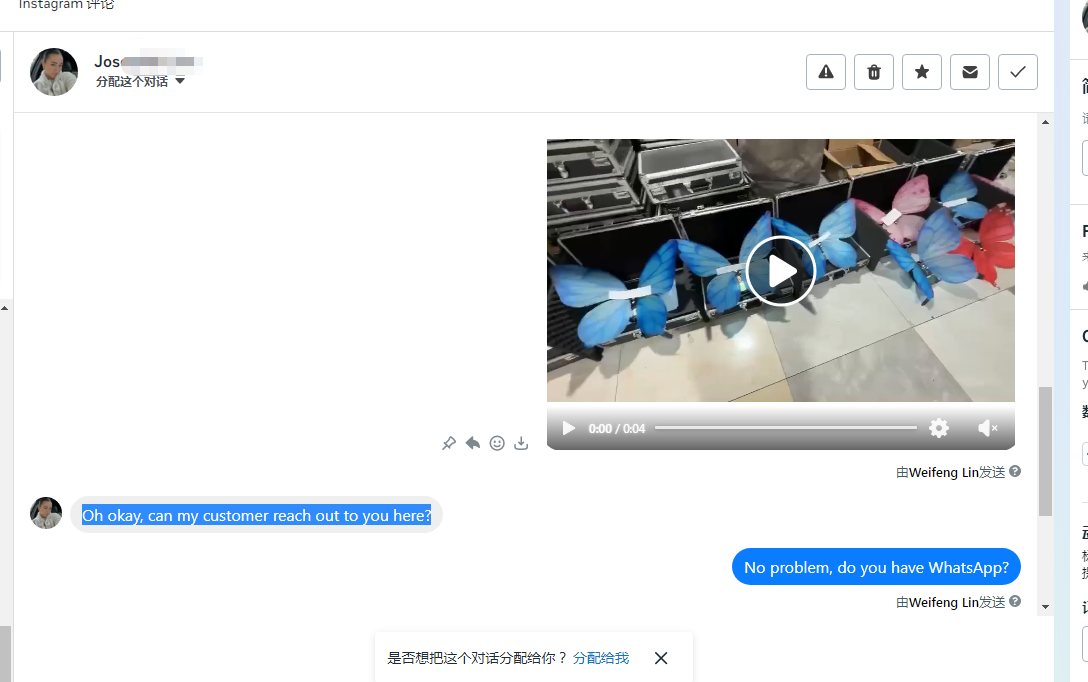
          - The wing ribs and proportions are designed and improved based on real butterfly morphology.  
          - The wings are made of imported raw materials: nylon thread and carbon fiber.  
          - Through wing deformation, specific thrust and lift are generated.  
          - Achieving multi-directional flight capability under low-frequency, low-speed, and bionic conditions.  
          - Throttle, pitch, and yaw control are realized by changing the wing angle.  
          - In-depth optimization has been made for takeoff issues, including an anti-toss/flip design (when thrown at any angle at full throttle, the vehicle automatically rights itself).  
          - With extreme lightweight construction, it can achieve hovering.